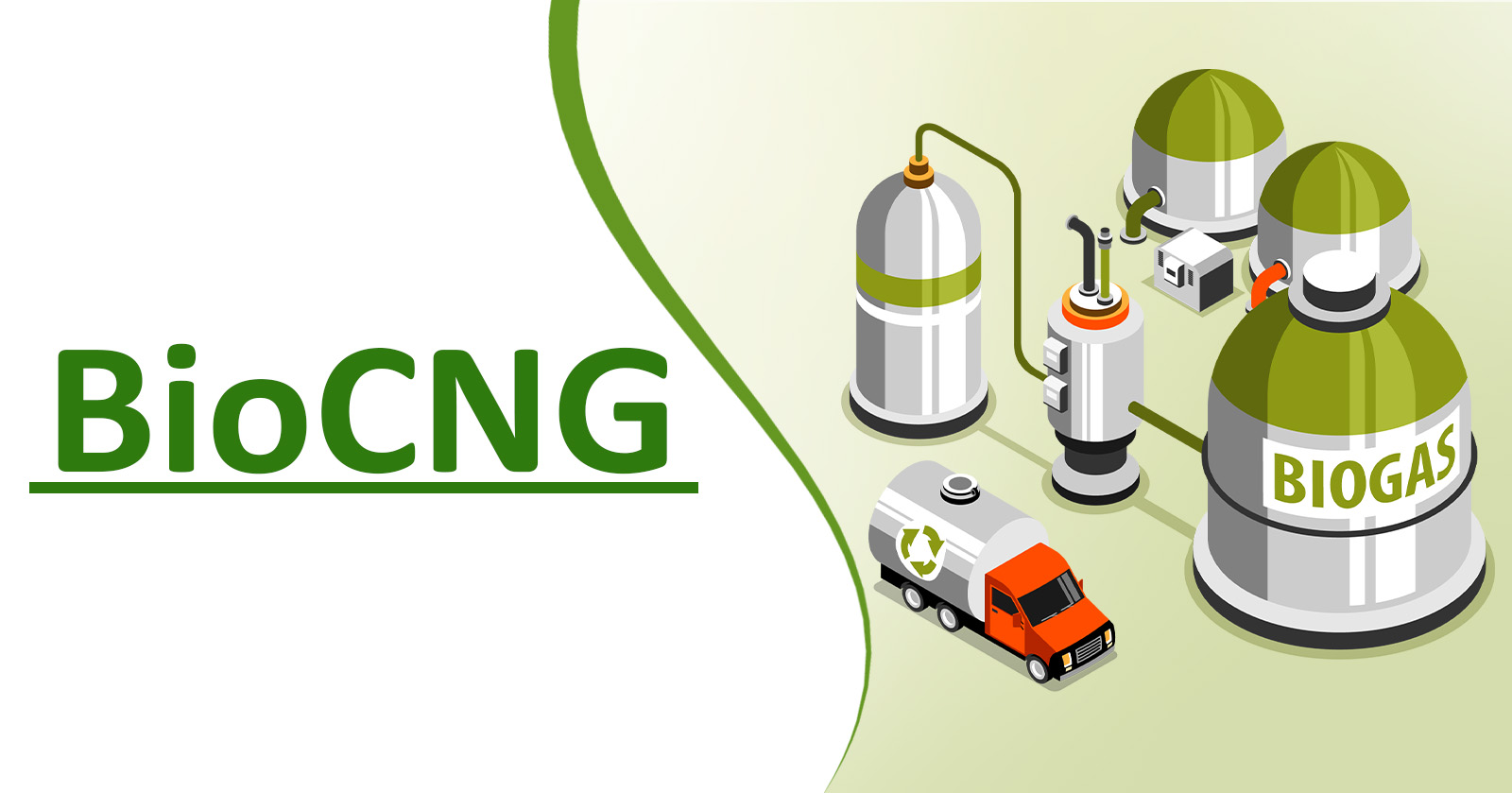
Scope for Bio-CNG (CBG) Production
- A typical Biogas Purification and Upgradation System converts raw biogas (50–65% CH₄, 35–50% CO₂, H₂S, moisture, siloxanes, and trace gases) into Bio-CNG (Compressed Biogas) containing 95–98% methane, suitable for compression, bottling, vehicle fuel, or pipeline injection.
Instrumentation
A typical gas purification train includes:
- Pressure transmitters (PT)
- Temperature transmitters (TT)
- Flow meters (FT)
- Differential pressure transmitters (DPT)
- H₂S analyzer
- CH₄ analyzer
- CO₂ analyzer
- Moisture analyzer (optional)
- Gas leak detectors
- Pressure safety valves (PSV)
- Emergency shutdown (ESD) valves
- PLC and SCADA system
Documents
| Document | Purpose |
|---|---|
| Process Flow Diagram (PFD) | Overall process flow |
| Piping & Instrumentation Diagram (P&ID) | Detailed piping and controls |
| General Arrangement (GA) Drawing | Equipment layout |
| Equipment Datasheets | Technical specifications |
| Piping Isometrics | Fabrication drawings |
| Instrument Index | Instrument list |
| Valve Schedule | Valve specifications |
| Cause & Effect Matrix | Safety interlocks |
| Electrical Single Line Diagram | Electrical distribution |
| PLC/SCADA Logic | Automation philosophy |
| Operation & Maintenance Manual | Plant operation procedures |
| As-Built Drawings | Final construction documentation |
| Sr. No. | Equipment | Function | Typical Outlet Condition |
|---|---|---|---|
| 1 | Biogas Blower | Supplies constant gas flow | 20–100 mbar |
| 2 | Moisture Separator | Removes condensate and water droplets | Dry gas |
| 3 | Particulate Filter | Removes dust and solids | <5 μm particles |
| 4 | H₂S Scrubber | Removes hydrogen sulfide | <5–10 ppm H₂S |
| 5 | Gas Chiller | Condenses remaining moisture | Lower humidity |
| 6 | CO₂ Removal Unit | Increases methane concentration | CH₄: 95–98% |
| 7 | Fine Gas Filter | Removes adsorbent dust | Clean gas |
| 8 | Refrigeration Dryer | Reduces dew point | Approximately +3°C |
| 9 | Desiccant Dryer | Final moisture removal | Dew point ≤ −40°C |
| 10 | Methane Analyzer | Monitors CH₄ purity | Online measurement |
| 11 | Odorization Unit | Adds odorant for safety | Odorized gas |
| 12 | Buffer Vessel | Stabilizes pressure | 4–10 bar |
| 13 | CNG Compressor | Compresses gas | 200–250 bar |
| 14 | Cascade Storage | High-pressure storage | Ready for dispensing |
Gas Composition Through the Process
| Stage | CH₄ (%) | CO₂ (%) | H₂S (ppm) | Moisture |
|---|---|---|---|---|
| Raw Biogas | 55–65 | 35–45 | 500–5,000 | Saturated |
| After H₂S Scrubber | 55–65 | 35–45 | <5–10 | Saturated |
| After CO₂ Removal | 95–98 | <2–3 | <5 | Moist |
| After Dryers | 95–98 | <2–3 | <5 | Dew point ≤ −40°C |
| After Compression | 95–98 | <2–3 | <5 | Dry, 200–250 bar |
Common CO₂ Removal Technologies
| Technology | Methane Purity | Advantages | Typical Applications |
|---|---|---|---|
| Water Scrubbing | 96–98% | Low operating cost, no chemicals | Medium to large plants |
| VPSA | 96–98% | Low energy, dry process | Medium to large plants |
| PSA | 95–98% | Simple operation | Medium plants |
| Membrane Separation | 96–99% | Compact, modular | Medium to large plants |
| Amine Scrubbing | 98–99% | Very high purity | Large industrial plants |
Typical Process Flow
Raw Biogas from Digester
        │
        ▼
Moisture Separator / Knock-out Pot
        │
        ▼
H2S Scrubbing Unit
        │
        ▼
CO2 Removal / VPSA Upgrading System
        │
        ▼
Gas Dryer (Refrigeration + Desiccant)
        │
        ▼
Odorization Unit
        │
        ▼
Buffer Storage Vessel
        │
        ▼
High Pressure CNG Compressor
        │
        ▼
Cascade Storage Cylinders
        │
        ▼
Dispensing / Cylinder Filling
Scope of Supply
| Sr. No. | Equipment | Function | Typical Performance |
|---|---|---|---|
| 1 | H₂S Scrubbing Unit | Removes hydrogen sulfide | <5–10 ppm H₂S |
| 2 | CO₂ Scrubber Module | Removes carbon dioxide | CH₄ purity 95–98% |
| 3 | Vacuum Pressure Swing Adsorption (VPSA) | Final methane enrichment | CH₄ recovery >96% |
| 4 | Moisture Separator | Removes free water | Prevents corrosion |
| 5 | Refrigeration Dryer | Lowers dew point | Dew point about +3°C |
| 6 | Desiccant Dryer | Removes residual moisture | Dew point −40 to −70°C |
| 7 | Odorization Unit | Adds odorant for leak detection | Ethyl mercaptan/TBM |
| 8 | Surge Vessel | Dampens pressure fluctuations | Stable compressor suction |
| 9 | Buffer Storage Tank | Stores upgraded gas | Continuous compressor operation |
| 10 | Instrumentation | Pressure, flow, methane analyzer | Online monitoring |
H₂S Scrubbing Unit
Hydrogen sulfide (H₂S) is one of the most critical impurities in raw biogas. It must be removed before biogas upgrading and compression because it is highly corrosive, toxic, and can damage downstream equipment such as CO₂ scrubbers, compressors, dryers, valves, pipelines, and CNG storage cylinders.
Why H₂S Removal is Necessary
| Problem Caused by H₂S | Effect |
|---|---|
| Corrosion | Forms sulfuric acid in the presence of moisture, corroding carbon steel equipment and pipelines |
| Compressor Damage | Reduces compressor life and increases maintenance |
| Adsorbent Poisoning | Shortens the life of PSA/VPSA adsorbents and membranes |
| Environmental Impact | Produces SO₂ during combustion, contributing to air pollution |
| Safety | Toxic gas with a characteristic rotten egg odor |
| Product Gas Quality | Bio-CNG standards require very low H₂S levels |
Removal of hydrogen sulfide before upgrading.
Typical H₂S Concentration
| Feedstock | H₂S (ppm) |
|---|---|
| Cattle dung | 200–2,000 |
| Food waste | 500–3,000 |
| Press mud | 1,000–5,000 |
| Distillery spent wash | 2,000–10,000 |
| Sewage sludge | 500–5,000 |
Technologies
| Technology | H₂S Removal Efficiency | Application |
|---|---|---|
| Iron Oxide | 99% | Small plants |
| Activated Carbon | 99% | Final polishing |
| Biological Scrubber | High | Large plants |
| Caustic Scrubber | Very High | Industrial |
| Media Filters | High | CBG plants |
Typical outlet H₂S:<5 ppm
H₂S Removal Technologies
1. Iron Oxide (Iron Sponge) Scrubber
Principle: H₂S reacts with iron oxide to form iron sulfide.
Reaction:
Advantages
- Low capital cost
- Simple operation
- High removal efficiency (>99%)
- No chemical dosing
- Suitable for small and medium Bio-CNG plants
Disadvantages
- Media requires periodic replacement or regeneration
- Not ideal for very high H₂S loading
Typical outlet H₂S: <5 ppm
H₂S Removal Technologies
| Technology | CH₄ Purity | Advantages |
|---|---|---|
| Water Scrubber | 96% | Low operating cost |
| Chemical Absorption | 98–99% | High purity |
| PSA | 96–98% | No chemicals |
| VPSA | 97–98% | Lower power |
| Membrane | 96–99% | Compact |
Typical outlet gas:
| Component | Value |
|---|---|
| CH₄ | 95–98% |
| CO₂ | <2–3% |
| H₂S | <5 ppm |
Activated Carbon Filter
Activated carbon, often impregnated with potassium iodide or metal oxides, adsorbs H₂S.
Advantages
- Very high removal efficiency
- Excellent polishing stage
- Compact equipment
Disadvantages
- Higher media cost
- Frequent replacement with high H₂S concentrations
Typical outlet H₂S: <1 ppm
Biological Desulfurization
Sulfur-oxidizing bacteria convert H₂S into elemental sulfur.
Advantages
- Very low operating cost
- Environmentally friendly
- Suitable for continuous operation and large plants
Disadvantages
- Requires careful control of pH, temperature, and oxygen
- Longer start-up period
Caustic (NaOH) Scrubber
H₂S reacts with sodium hydroxide solution.
Advantages
- High removal efficiency
- Suitable for high H₂S concentrations
Disadvantages
- High chemical consumption
- Spent solution treatment required
Water Scrubbing
Water absorbs a portion of H₂S along with CO₂.
Advantages
- Removes CO₂ and part of H₂S simultaneously
Disadvantages
- Usually insufficient as the only H₂S removal step for Bio-CNG specifications
Vacuum Pressure Swing Adsorption (VPSA)
Purpose
Final methane enrichment using adsorption.
Working Principle
- Pressurization
- Adsorption of CO₂
- Depressurization
- Vacuum regeneration
- Re-pressurization
Advantages
- High methane recovery
- Low operating cost
- No chemicals
- Continuous operation
- Automatic control
Typical Performance
| Parameter | Value |
|---|---|
| Methane purity | 96–98% |
| Methane recovery | 96–99% |
| Pressure | 4–8 bar |
| Vacuum | 0.2–0.5 bar absolute |
Moisture Removal System
Moisture must be removed before compression.
A. Moisture Separator
Removes:
- Condensed water
- Water droplets
- Foam
Equipment:
- Knock-out Drum
- Cyclone Separator
- Demister Pad
B. Refrigeration Dryer
Purpose:
- Cool gas to condense moisture.
- Typical outlet dew point:+3°C
C. Desiccant Dryer
Purpose:
Final moisture removal.
Adsorbents:
- Molecular sieve
- Activated alumina
- Silica gel
Outlet dew point:
- −40°C
- −60°C
- −70°C
5. Odorization Unit
Pure methane is odorless.
Odorant is added for safety.
Typical odorants:
- Tertiary Butyl Mercaptan (TBM)
- Ethyl Mercaptan
Features:
- Metering pump
- Storage tank
- Injection nozzle
- Level transmitter
- PLC control
6. Surge Vessel and Buffer Storage Tank
Surge Vessel
Purpose:
- Reduce pressure pulsation
- Stabilize compressor inlet
- Improve process stability
Typical pressure:
4–10 bar
Buffer Storage Tank
Purpose:
- Temporary gas storage
- Smooth process fluctuations
- Ensure continuous compressor operation
Typical volume:
5–100 m³
Functional Testing, Leak Checks, and Trial Runs
Commissioning activities generally include:
Mechanical Completion
- Equipment verification
- Piping inspection
- Valve verification
- Instrument calibration
Leak Testing
- Pneumatic pressure test
- Soap solution leak test
- Nitrogen pressure holding test
- Flange inspection
- Valve leakage inspection
Functional Testing
- Instrument loops
- PLC logic
- Compressor interlocks
- Emergency shutdown (ESD)
- Pressure safety valves
- Gas analyzers
- Flow meters
- Level transmitters
Performance Trial Run
Typical checks:
- Methane purity
- CO₂ concentration
- H₂S concentration
- Moisture content
- Flow rate
- Pressure stability
- Compressor performance
- Energy consumption
Submission of As-Built P&ID and GA Drawings
After successful commissioning, the contractor typically submits the final documentation.
A. As-Built P&ID
Includes:
- Equipment tags
- Valve numbering
- Instrument numbering
- Flow directions
- Safety valves
- Isolation valves
- Control loops
- Interlock philosophy
- Utilities
B. General Arrangement (GA) Drawing
Includes:
- Equipment layout
- Foundation details
- Pipe routing
- Access platforms
- Maintenance clearances
- Cable trays
- Structural supports
- Drain lines
C. Gas Train Layout
Typical sequence:
Biogas Inlet
      │
Moisture Separator
      │
H2S Scrubber
      │
CO2 Scrubber / VPSA
      │
Dryer
      │
Gas Analyzer
      │
Buffer Vessel
      │
Compressor
      │
Cascade Storage
      │
Dispensing Unit
D. Purification Area Layout
Typical equipment:
- H₂S Scrubber
- CO₂ Removal Skids
- VPSA Vessels
- Blowers
- Vacuum Pump
- Air Compressor
- Refrigeration Dryer
- Desiccant Dryer
- Buffer Vessel
- Instrument Air Package
- Analyzer Panel
- Electrical Panels
- PLC & SCADA Room
Typical Gas Quality Specification for Bio-CNG
| Parameter | Typical Value |
|---|---|
| Methane (CH₄) | 95–98% |
| Carbon Dioxide (CO₂) | <2–3% |
| Hydrogen Sulfide (H₂S) | <5–10 ppm |
| Oxygen (O₂) | <1% |
| Moisture Dew Point | ≤ −40°C |
| Siloxanes | Trace / Nil |
| Particulates | Nil |
| Delivery Pressure (before compression) | 4–10 bar |
| Compression Pressure | 200–250 bar |
Engineering Deliverables
For an EPC or detailed engineering package, the following documents are typically included:
- Process Flow Diagram (PFD)
- Process and Instrumentation Diagram (P&ID)
- General Arrangement (GA) Drawings
- Equipment Layout Drawings
- Piping Layout and Isometrics
- Instrument Hook-up Drawings
- Cable Routing Drawings
- Cause & Effect Matrix
- Control Philosophy
- Instrument Index
- Equipment Datasheets
- Valve Datasheets
- Line List
- Material Take-Off (MTO)
- Commissioning Procedures
- Functional Test Reports
- Leak Test Reports
- Performance Guarantee Test Report
- Operation & Maintenance (O&M) Manual
- As-Built Documentation
Conclusion
- This configuration represents a standard industrial Bio-CNG purification and upgrading train suitable for agricultural waste, press mud, distillery spent wash, food waste, municipal organic waste, and other anaerobic digestion plants.
- It can consistently produce vehicle-grade Bio-CNG meeting typical commercial methane purity requirements of 95–98% before high-pressure compression and storage.
